
What’s in Your Child’s Emotional Backpack?
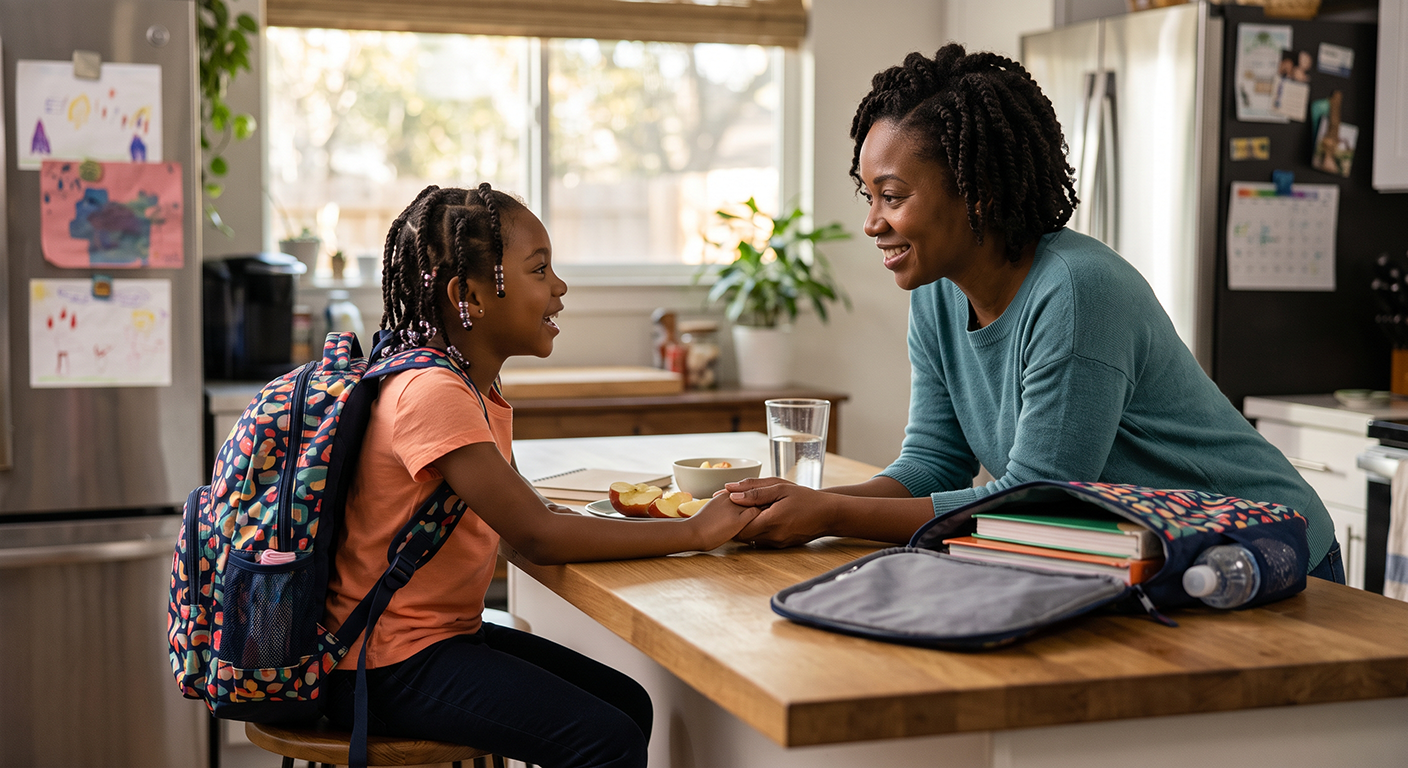
Every morning, students arrive at school carrying more than books, devices, and supplies. They also carry emotions. Some carry excitement and confidence. Others carry worry about a test, morning frustration, friendship problems, fear of making a mistake, or pressure to succeed. Recognizing these emotional cues can help parents and educators feel more confident in supporting children’s behavior, relationships, and learning. Helping students succeed in school means paying attention to what may be inside their emotional backpacks.
Recognize What Behavior May Be Communicating
Children often communicate their feelings through behavior rather than words. Recognizing signs like irritability, quietness, or complaints about head or stomach pain helps adults understand their emotional state and respond appropriately.
Before immediately responding to the behavior, pause and ask:
- What might my child be feeling?
- Has something recently changed?
- Is this behavior unusual?
- Does my child need correction, connection, or both?
Understanding the emotion does not mean ignoring inappropriate behavior. It means addressing the need while teaching a better response.
Make Emotional Check-Ins Simple
Instead of asking only, “How was school?” invite your child to describe the emotional part of the day. Simple check-ins like this can help parents and educators feel more connected and better able to support children’s emotional well-being.
Try asking:
- What feeling showed up the most today?
- Was there a moment when you felt proud?
- Did anything make you feel worried or uncomfortable?
- What did you do when something became difficult?
- What do you want to leave behind before tomorrow?
You can also use a number scale:
“From one to five, how heavy does your emotional backpack feel today?”
A number may be easier to share than a long explanation.
Help Students Manage Test Stress
A little nervousness before a test is normal. However, too much anxiety can make it difficult for students to remember what they know.
Teach your child a simple Pause, Breathe, Begin strategy:
- Pause: Stop and notice what you are feeling.
- Breathe: Take three slow breaths.
- Begin: Read the directions and complete one question at a time.
Remind your child:
“A test measures what you can show today. It does not measure your worth, intelligence, creativity, or potential.” Preparation matters, but so do sleep, nutrition, positive self-talk, and a calm start to the day. Cramming all night may fill the brain with facts while emptying the body’s battery.
Teach Students How to Recover From Mistakes
Some students become discouraged when they receive a low grade, answer incorrectly, or struggle with a new skill.
Help your child replace “I can’t do this” with:
- “I cannot do this yet.”
- “I can try another strategy.”
- “Mistakes show me what I need to practice.”
- “Asking for help is a strength.”
- “One grade does not define me.”
Confidence does not mean believing everything will be easy. It means believing you can continue when something is difficult.
Talk About Friendships and Belonging
Social experiences can affect academic success. A disagreement with a friend, feeling excluded, bullying, or worrying about fitting in can occupy a student’s thoughts throughout the day.
Ask questions about friendships without turning the conversation into an interrogation. Encourage your child to describe what happened, how everyone may have felt, and what choices could improve the situation.
Teach students that they can be kind without accepting disrespect. They can walk away, use assertive words, seek help, and choose relationships that feel safe and supportive.
Create an After-School Reset
Students may need time to release the pressure of the school day before beginning homework or discussing problems.
- Eating a snack
- Drinking water
- Listening to music
- Taking a short walk
- Stretching or moving
- Sitting quietly
- Drawing or journaling
- Talking with a trusted adult
A reset is not about avoiding responsibilities but about creating a calm moment to better handle tasks and emotions, helping children transition smoothly from school to home activities.
Lighten the Emotional Backpack
Families cannot remove every challenge students will face—and we should not try to. Challenges provide opportunities to develop coping skills, self-awareness, confidence, and resilience.
However, children should not have to carry everything alone.
Let your child know:
“You can tell me what you are carrying. We may not solve everything immediately, but we can unpack it together.”
When students learn to recognize emotions, manage stress, recover from mistakes, and ask for help, they are developing skills that will serve them far beyond the classroom.
Want to see how the “Two Backpacks” concept works in action? Watch our quick breakdown video below, then explore our complete Back-to-School Success Playlist for practical, daily tips to support your child’s emotional well-being and academic growth this school year!